

Foreign Trade Marketing Strategy & Customer Follow Up Guide
In international trade, effective marketing is not only about reaching new customers but also about understanding their needs, building trust, and guiding the project toward final cooperation. Based on practical experience, the following structured strategy provides a clear framework for B2B sales teams.
1. Establishing Initial Contact
Building the first connection is the foundation of foreign trade marketing. Common channels include:
WhatsApp or WeChat for instant communication;
Email for formal documents, quotations, and follow-ups;
Business cards or official contact details for building customer profiles;
Using multiple communication channels ensures that critical information reaches the customer quickly and helps maintain long-term contact.

2. Customer Development
Before deep communication begins, sufficient preparation is essential:
Background Research
Study the customer's company profile, website, product range, and industry position.
Targeted Questions
Ask professional questions based on the customer's website or product line to demonstrate expertise and interest.
Question List PDF
Create a Q&A-style PDF to understand the customer's exact requirements. Send it immediately after adding WhatsApp or establishing first contact.
This structured method helps collect accurate project information efficiently and prepares for solution design and pricing.
3. Building Trust
Trust is the core of foreign trade cooperation. The goal is to make customers feel confident and secure:
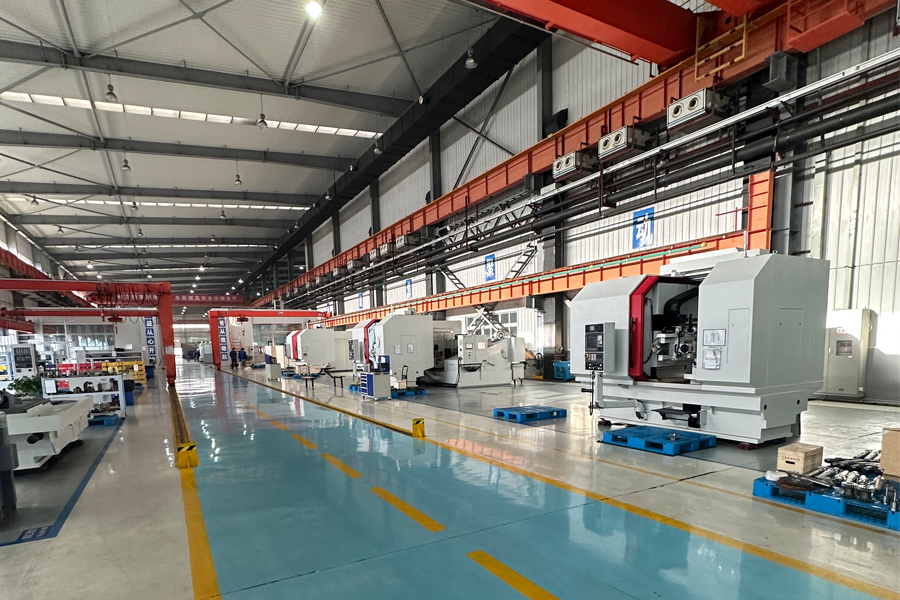
Product photos & videos showing real production and machine performance;
Major client cases to prove capability, especially cases relevant to the customer's industry;
Content that addresses customer concerns in the early communication stage;
Providing professional and relevant information increases credibility and strengthens customer confidence.
4. Controlling Communication Rhythm
Communication rhythm affects customer engagement and project progress. Effective strategies include:
Send key information in stages, instead of overwhelming the customer in one message;
Complete core information delivery within 3 days, keeping communication active and efficient;
A well controlled pace ensures the customer stays focused while steadily absorbing essential details.
5. Project Follow Up & Reverse Marketing
Project follow up should go beyond simple reminders--use it to uncover more needs:
Ask:
“Regarding the solution you mentioned, is there any additional information you need?”
Use customer questions as a tool to identify their real requirements;
Analyze their concerns and turn them into opportunities for product positioning;
This"reverse marketing"approach helps deepen understanding and increase the chance of conversion.
6. Customer Classification & Strategy
Different customer types require customized communication strategies:
1) Technical Customers
Highly knowledgeable but may be limited by budget.
Provide technical value and detailed solutions.
2) Purchasing Customers
Often decisive and directly involved in transactions.
Offer stable supply, quick quotes, and clear business advantages.
3) Executive-Level Customers
Focus on reliability, professionalism, and cooperation value.
Deliver high-level summaries, confidence-building messages, and solution benefits.
4) Non-Industry Customers
Such as logistics or friend-introduced companies.
Low priority; follow up selectively.
Customer segmentation allows better resource allocation and higher conversion efficiency.
7. Customer Follow-Up Essentials
To push the project toward final cooperation, follow-up must be systematic:
Maintain regular contact and update progress;
Respond quickly to questions and solve issues promptly;
Adapt communication style based on customer type;
Use CRM or records to track all follow-up activities;
Consistent follow-up builds trust and significantly boosts closing rates.
Conclusion
A complete foreign trade marketing strategy follows a clear process:
Contact → Development → Trust → Rhythm → Follow-Up → Customer Classification
By providing professional communication, accurate information, and structured project management, foreign trade teams can improve customer satisfaction, strengthen trust, and ultimately achieve stable business growth.