
Ball Type CV Joint Structure
In automotive driveline systems, constant velocity (CV) joints are used to transmit torque at a constant rotational speed even when the angle between shafts changes. This function is critical during steering and suspension movement, ensuring smooth and continuous power delivery to the wheels.
Based on structural design and application requirements, CV joints are generally classified into three main types.

Main Types of Constant Velocity Joints
Ball Type Constant Velocity Joint
The ball type CV joint is the most widely used design in modern passenger vehicles. It transmits torque through multiple steel balls rolling between precisely machined inner and outer raceways, ensuring true constant velocity operation.
This structure offers high transmission efficiency, large allowable operating angles, and strong load capacity. It is commonly used in front wheel drive vehicles and independent suspension systems, making it the standard solution in modern automotive drivetrains.
Ball Fork Type Constant Velocity Joint
The ball fork type CV joint uses a ball and fork structure to transmit torque. While it provides relatively high load capacity, its allowable articulation angle is smaller, and stability at high speeds is comparatively limited.
This type is mainly found in certain commercial vehicles, off road vehicles, and construction machinery where strength is prioritized over steering angle.
Tripod Type Constant Velocity Joint
The tripod CV joint transmits torque through three trunnions supported by needle roller bearings. Its key advantage is a large axial plunge capability combined with good angular flexibility.
It is commonly used on the inboard side of drive shafts or as an auxiliary joint to compensate for axial displacement caused by suspension movement.
Overall, due to its balanced performance, the ball-type CV joint has become the standard configuration in modern passenger vehicle driveline systems.
Core Components of a Ball Type CV Joint
Taking the widely used fixed ball type CV joint (RF type) as an example, the assembly mainly consists of four key components.
1. Outer Race
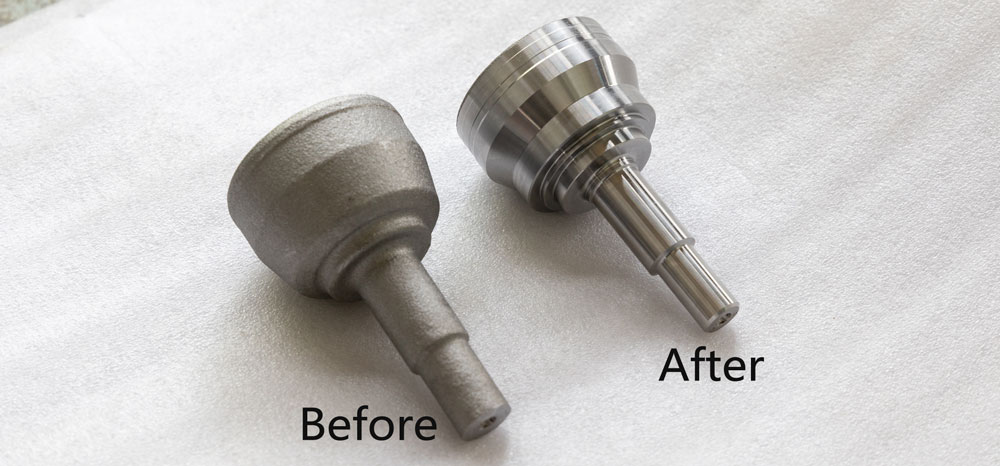
The outer race is a housing with internal spherical raceways and is typically connected to the wheel hub via a flange or splines. It serves as the torque output component.
Its primary function is to support the rolling motion of the steel balls and transmit torque to the wheel. High strength, wear resistance, and proper heat treatment are essential due to complex load conditions.
2. Inner Race
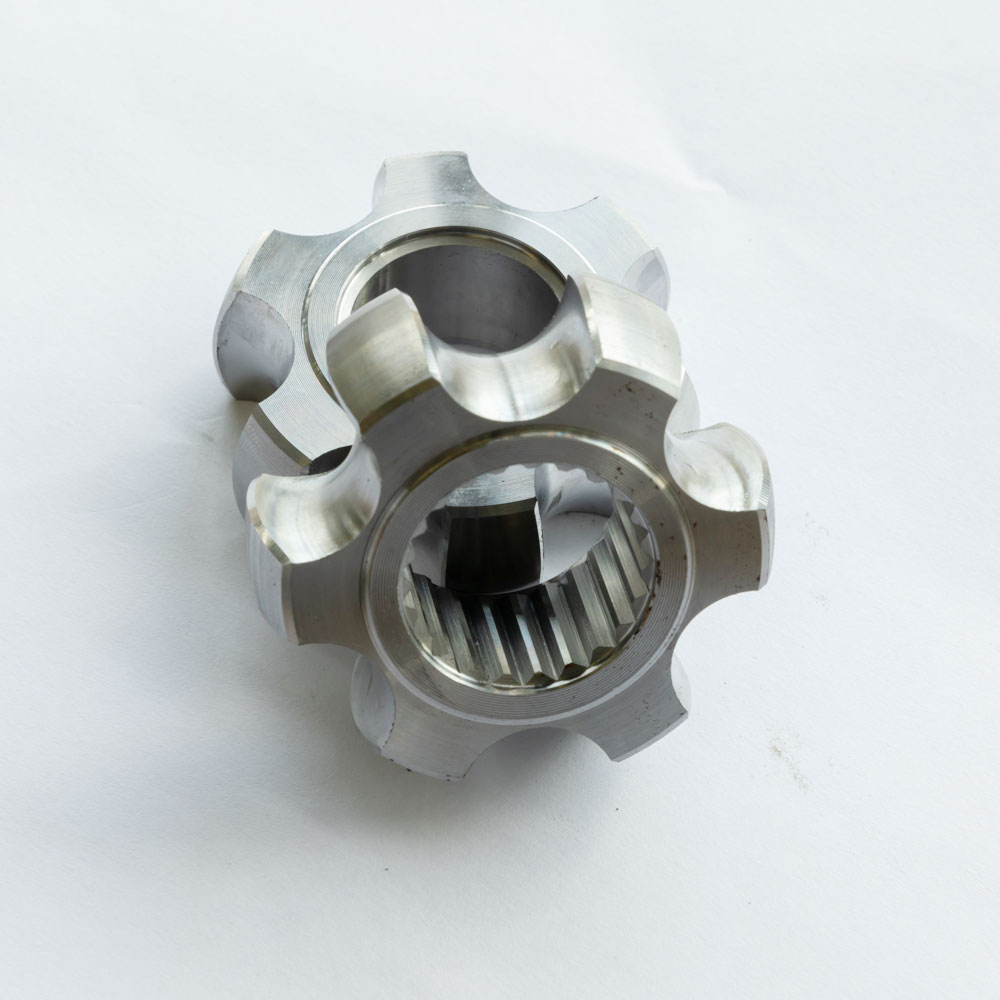
The inner race is connected to the drive shaft through internal splines and acts as the torque input component. External spherical raceways on the inner race work together with those of the outer race to guide the steel balls.
Torque is transmitted from the inner race to the outer race through the steel balls.
3. Cage
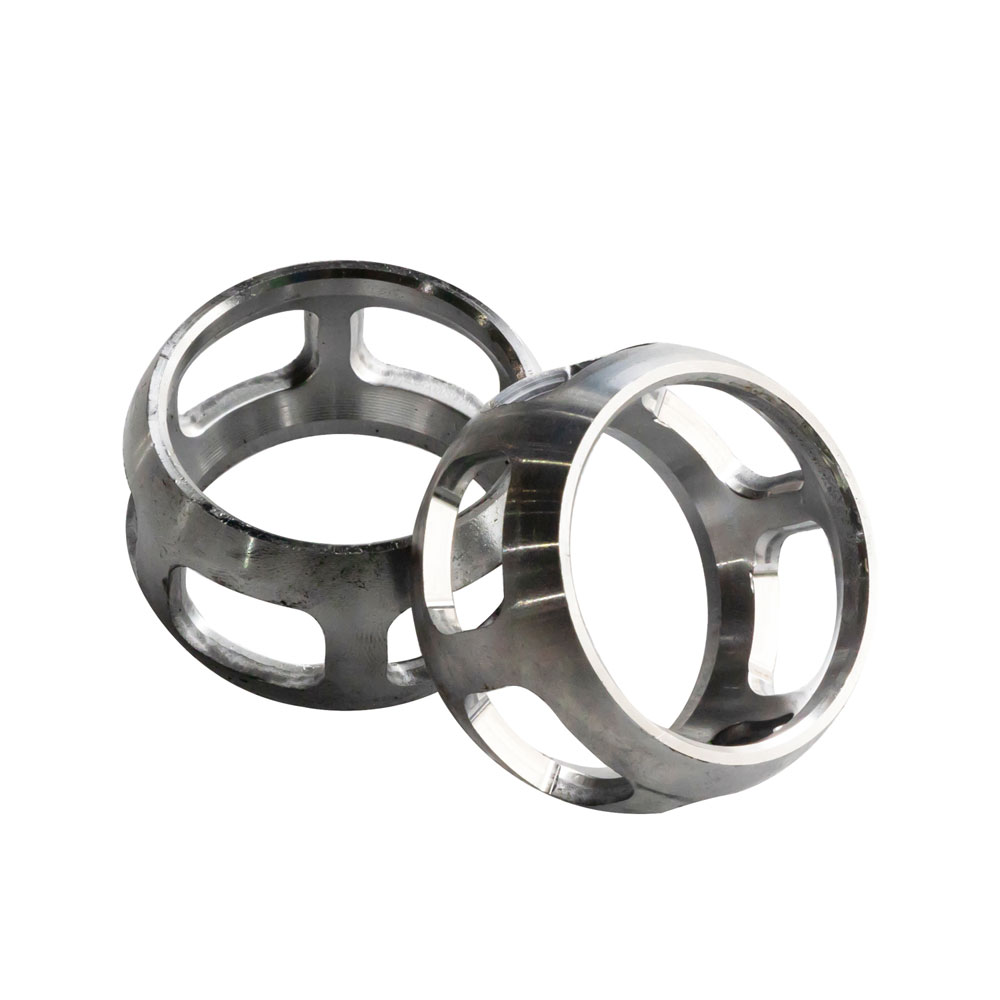
The cage is a cage shaped component with evenly spaced windows. Its main function is to control the position of the steel balls.
Through precise window geometry, the cage ensures that the balls always lie in the bisector plane of the angle between the input and output shafts. This geometric condition is fundamental to achieving true constant velocity transmission.
4. Steel Balls
precision bearing steel balls are used as the torque-transmitting elements. Under the guidance of the cage, the balls roll along the raceways, enabling efficient torque transfer through rolling contact.
Ball diameter accuracy, hardness, and surface quality have a direct impact on transmission efficiency, noise performance, and service life.
Torque transmission path:
Drive shaft → Inner race → Steel balls → Outer race → Wheel
Variants of Ball Type CV Joints
To meet different vehicle layout and operating requirements, several structural variants of ball type CV joints have been developed.
Plunging Ball Type CV Joint (VL Type)
The plunging CV joint uses straight raceways, allowing axial movement while maintaining constant velocity transmission.
This type is typically installed on the inboard side of the drive shaft to compensate for axial displacement caused by suspension travel.
Double Offset CV Joint
In this design, the outer race features cylindrical straight grooves, and the center of the cage sphere is axially offset. This structure provides both angular compensation and axial sliding capability.
It is suitable for special driveline layouts with limited installation space, such as certain disconnect driveline systems.
In practical applications, front wheel drive vehicles commonly use a fixed type (RF) CV joint on the outboard side to accommodate large steering angles, and a plunging type (VL) CV joint on the inboard side to absorb axial movement, forming a complementary driveline solution.
Technical Advantages and Maintenance Considerations
Key advantages of ball type CV joints include:
Accurate constant velocity transmission;
Maximum operating angles exceeding 47°;
High torque capacity through multi-ball load sharing;
High efficiency and low heat generation due to rolling contact;
The reliability of the CV joint largely depends on effective sealing. Damage to the rubber boot allows grease leakage and the ingress of dirt and moisture, which accelerates wear of the raceways and steel balls.
A common failure symptom is a rhythmic clicking noise during steering. Therefore, regular inspection of the rubber boot condition is a critical preventive maintenance measure.
Conclusion
Through precise geometric design and optimized structural layout, ball-type constant velocity joints effectively solve the challenge of smooth torque transmission under varying operating angles. The combination of different CV joint types enables modern vehicles to balance steering performance, suspension movement, and packaging constraints.
As a key component in automotive driveline systems, the continuous evolution of ball type CV joints reflects the automotive industry's ongoing pursuit of higher transmission efficiency, reliability, and durability.